
Digital public systems, built for public trust
We are internauts
Your community comes to public websites to understand services, find answers, and know what to do next.
We help public agencies organize complex information into clear, accessible digital paths that are easier for the public to use and easier for internal teams to maintain.
Your community comes to public websites to understand services, find answers, and know what to do next.
We help public agencies organize complex information into clear, accessible digital paths that are easier for the public to use and easier for internal teams to maintain.
When a public webpage is hard to understand, the burden does not disappear
It becomes calls, emails, abandoned forms, staff interruptions, complaints, corrections, and lost trust. We design to reduce that burden before it turns into more work for everyone.


Public access online should not feel like homework
That is where the public trust gets thin.
Best practices help you pass
Concierge Design moves people

CASE STUDY
CA DMV Homepage
A clearer front door for California drivers

CASE STUDY
CA DMV Homepage
A clearer front door for California drivers
This is how you break
your users
Need help
Person arrives with a real task
Stress / Urgency
Search site
They try the menu or search
Unclear labels
Find departments
Agency structure appears
Internal logic
Too much text
Instructions are dense
Stress / Urgency
Read PDF
Critical information hidden in files
PDF dependency
Find form
They guess what applies
No clear next step
Submit or call
Staff gets the fallout
Support load
Compliance is not comprehension
A website can meet accessibility requirements and still be hard to use
Compliance helps people access the page. Comprehension helps them understand what to do next.
We look beyond whether someone can technically reach content. We look at whether they can understand it, trust it, and complete the task they came to do.
What we review
Navigation clarity
Task flow and next steps
Content density
Plain language
Mobile behavior
PDF and form dependency
Where people hesitate, give up, or call
Deliverables & Outcomes
The best public websites reduce confusion on both sides of the screen.
We make it easy for everyone, even your team
Clearer service paths
People know where to start and what to do next.
Cleaner content structure
People don’t arrive as perfect users.
Accessibility-aware design
Built with WCAG and real comprehension in mind.
CMS-ready page systems
Templates and structures staff can maintain.
PDF and form planning
Reduce the junk drawer effect before launch.
Training and documentation
No “good luck, everyone” handoff. Barbaric.
RFP-ready support
Strategy, design, content, accessibility, and handoff
(001)

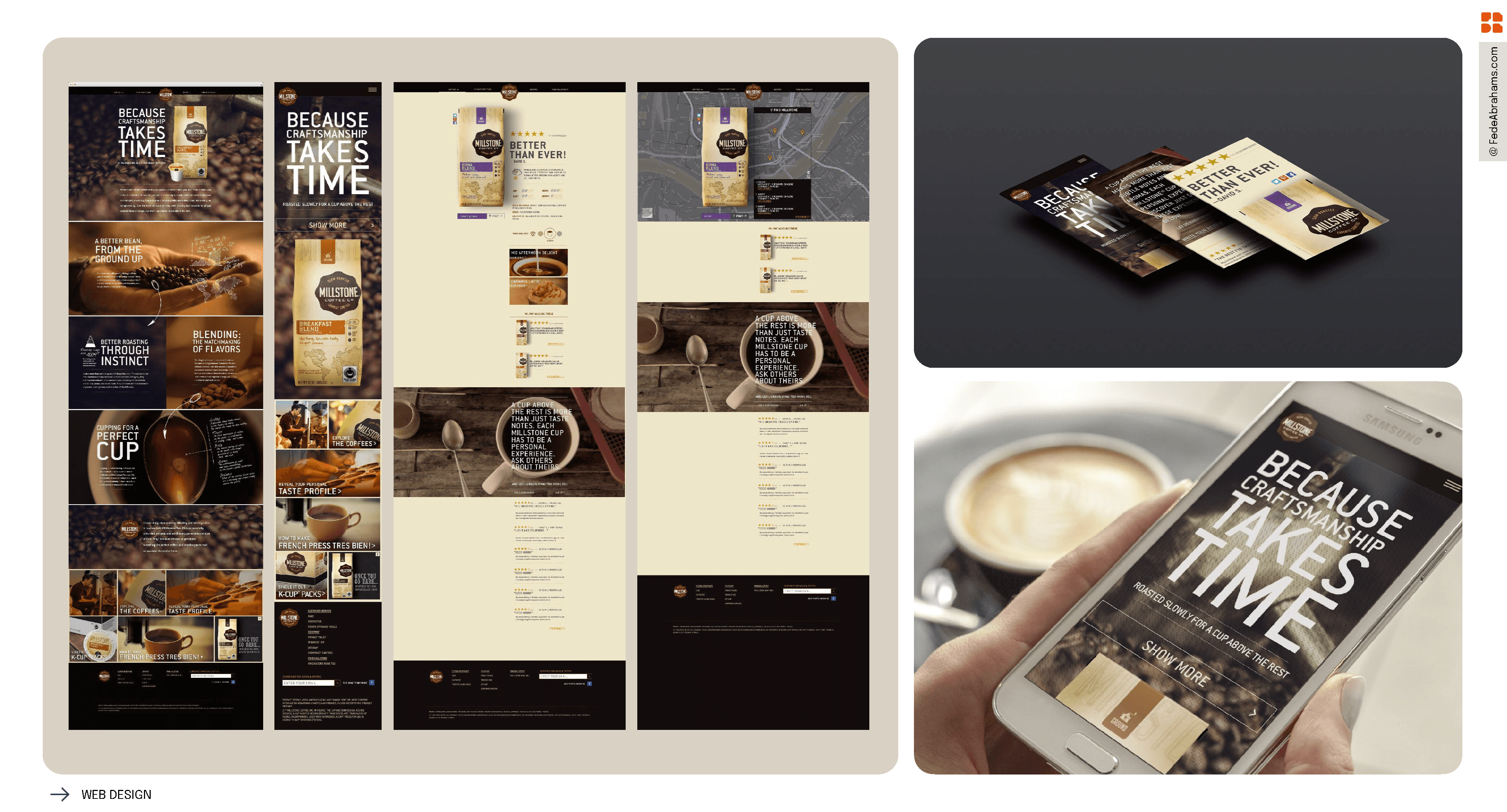
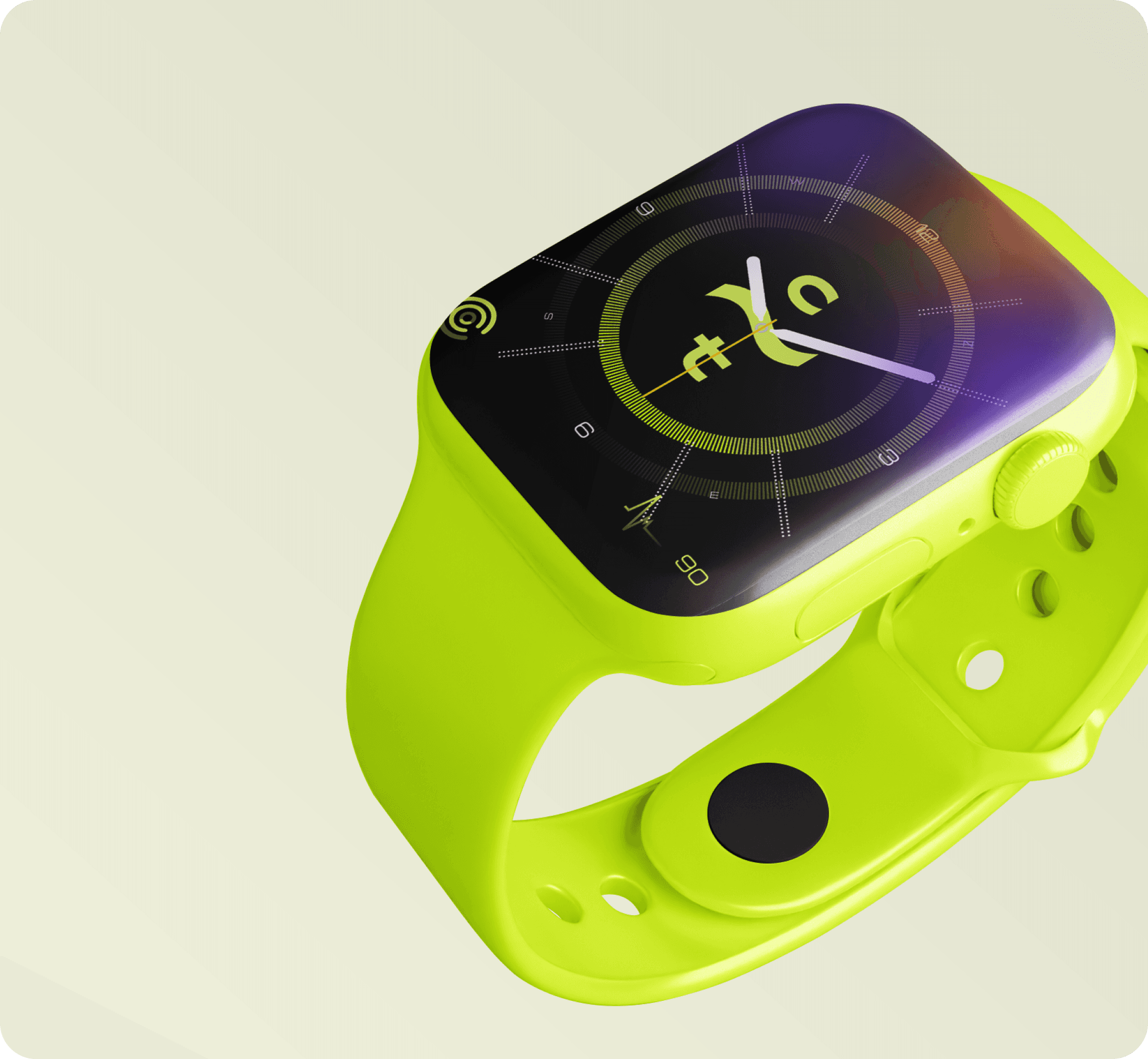
Digital Services & Public Platforms
Public services should not require insider knowledge to use.
We design and build accessible websites, platforms, and digital services that help people find what they need, understand what is being asked, and move forward with confidence.
The goal is not simply a better-looking government website.
It is a clearer, more welcoming path to the services people rely on.
Website redesigns
Information architecture and UX/UI
Content and document migration
CMS-ready page systems
Accessibility + Neurodigital™ audits
PDF and form planning
QA and launch support
Digital Services & Public Platforms
(002)

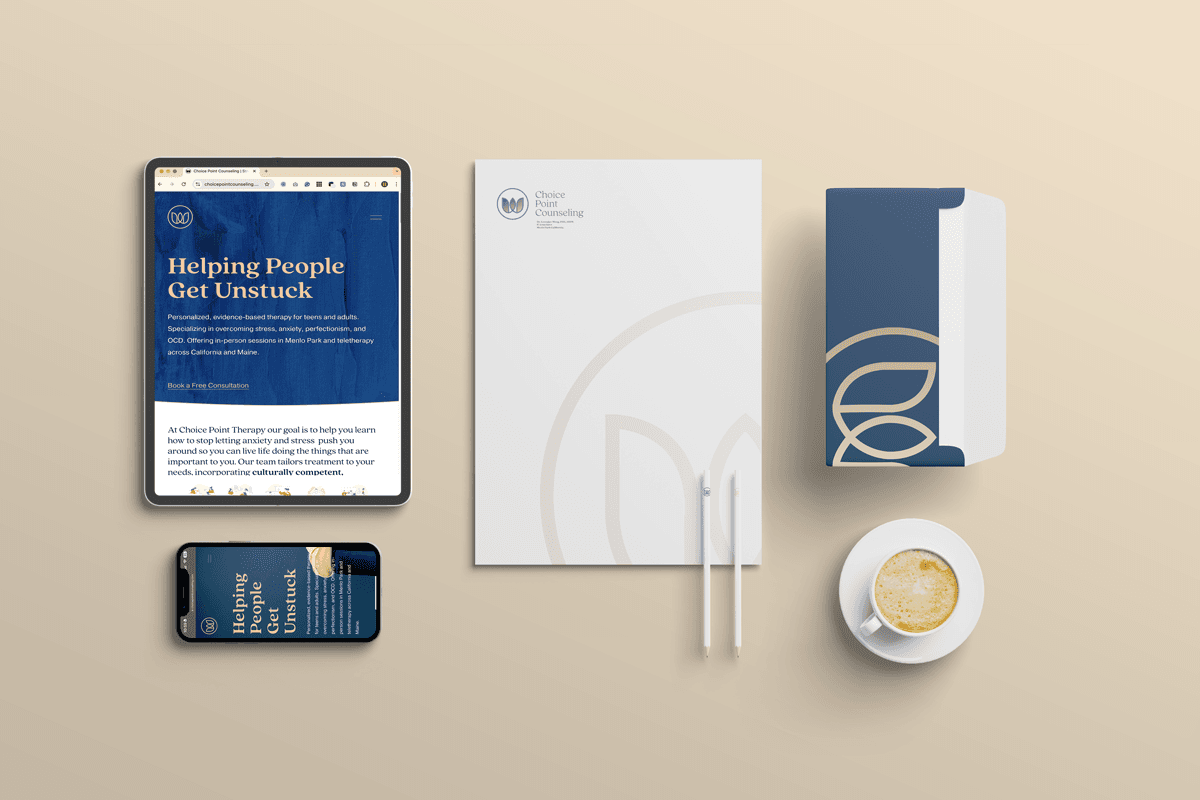

Public Communication Systems
Public information should feel like an open door, not a locked cabinet.
We help agencies turn complex programs, policies, and services into communication people can understand and trust.
From public notices to everyday service information, every message should respect people’s time and help them know what comes next.
Clear communication is not cosmetic. It is part of delivering the service well.
Public information strategy
Service explanations and plain language
Visual identity systems
Campaign and outreach materials
Bilingual content support
Public-facing standards
Internal communication systems
Public Communication Systems
(003)



Human-Led AI for Public Agencies
Public-sector AI should begin with public responsibility.
We help leaders and teams understand where AI can be useful, where it needs limits, and how to introduce it without leaving staff or the public behind. Through practical training, responsible working practices, custom assistants, and thoughtful workflows, we make adoption clearer and more accountable.
Because moving faster only matters when people can still understand, question, and trust the process.
AI readiness and use-case discovery
Leadership and staff training
Responsible AI policies and guardrails
Custom assistants and knowledge systems
Human-in-the-loop workflows
Privacy and transparency patterns
Ongoing training and support
Human-Led AI for Public Agencies
Digital Services & Public Platforms
Public services should not require insider knowledge to use.
We design and build accessible websites, platforms, and digital services that help people find what they need, understand what is being asked, and move forward with confidence.
The goal is not simply a better-looking government website.
It is a clearer, more welcoming path to the services people rely on.
Website redesigns
Information architecture and UX/UI
Content and document migration
CMS-ready page systems
Accessibility + Neurodigital™ audits
PDF and form planning
QA and launch support
Digital Services & Public Platforms
Public Communication Systems
Public information should feel like an open door, not a locked cabinet.
We help agencies turn complex programs, policies, and services into communication people can understand and trust.
From public notices to everyday service information, every message should respect people’s time and help them know what comes next.
Clear communication is not cosmetic. It is part of delivering the service well.
Public information strategy
Service explanations and plain language
Visual identity systems
Campaign and outreach materials
Bilingual content support
Public-facing standards
Internal communication systems
Public Communication Systems
Human-Led AI for Public Agencies
Public-sector AI should begin with public responsibility.
We help leaders and teams understand where AI can be useful, where it needs limits, and how to introduce it without leaving staff or the public behind. Through practical training, responsible working practices, custom assistants, and thoughtful workflows, we make adoption clearer and more accountable.
Because moving faster only matters when people can still understand, question, and trust the process.
AI readiness and use-case discovery
Leadership and staff training
Responsible AI policies and guardrails
Custom assistants and knowledge systems
Human-in-the-loop workflows
Privacy and transparency patterns
Ongoing training and support
Human-Led AI for Public Agencies

Accessibility, compliance, and governance without the usual fog
Public trust depends on more than good intentions. It depends on experiences that are clear, inclusive, and built to hold up in the real world.
We help teams create digital services with accessibility in mind, support governance and compliance needs, and deliver work with the structure and transparency public-sector projects require.
Accessibility-aware design and content decisions, WCAG 2.2 AA and ADA Title II-aligned design and testing
Support for ADA and WCAG-aligned workflows
Structured handoff and documentation
Collaboration that works across internal and external teams





How we work
Built for the way public projects actually work
Multiple stakeholders. Procurement requirements. Accessibility expectations. Existing vendors. Legacy content. Approval cycles. Limited internal capacity. Public accountability. We plan for that from the beginning.
Clarify + Map
01
Design + Build + QA
02
Train + Support
03






Designing with manners
is more than style
It's how to do business
Experience that supports public trust
Internauts is led by FJ Abrahams, a creative director with 25 years of experience across London, Latin America, and the U.S.
He founded Internauts to bring hospitality, brain science, consumer psychology, accessibility, and ethics into public-facing digital work.
We design public-sector websites as service environments, not marketing pages. That means clearer content, calmer paths, better structure, and a digital experience people can understand without having to work so hard.
UX/UI Redesign, Content & Frontend Optimization.
Not a design style,
but a business strategy.
Performance Boost:
Engagement +48%
Bounce rate -23%
Conversion Rate Improvement:
4.2% → 14.9%
“Thanks to the redesign, we've seen a steady 60% increase in conversion.”

Lisa M. VP Marketing
100
Pagespeed score
We prioritize performance without sacrificing visual appeal or functionality.
+30%
Quarterly visits
+1k
Dec
+1.3k
Jan
+1.1k
Feb
+1.5k
Mar
+2.3k
Apr
+12.9k
Jun
UX/UI Redesign, Content & Frontend Optimization.
Not a design style,
but a business strategy.
Performance Boost:
Engagement +48%
Bounce rate -23%
Conversion Rate Improvement:
4.2% → 14.9%
“Thanks to the redesign, we've seen a steady 60% increase in conversion.”
Lisa M. VP Marketing
100
Pagespeed score
We prioritize performance without sacrificing visual appeal or functionality.
+30%
Quarterly visits
+1k
Dec
+1.3k
Jan
+1.1k
Feb
+1.5k
Mar
+2.3k
Apr
+12.9k
Jun
Newest trends
and insights from our team.
Stay informed about our latest projects, trends, and industry insights.


internauts
What’s new
in digital?

Digital public systems Built for
public trust
We are internauts
Your community comes to public websites to understand services, find answers, and know what to do next.
We help public agencies organize complex information into clear, accessible digital paths that are easier for the public to use and easier for internal teams to maintain.
When a public webpage is hard to understand, the burden does not disappear
It becomes calls, emails, abandoned forms, staff interruptions, complaints, corrections, and lost trust. We design to reduce that burden before it turns into more work for everyone.
Public access online should not feel like homework
That is where the public trust gets thin.
Best practices help you pass
Concierge Design moves people
CASE STUDY
CA DMV Homepage
A clearer front door for California drivers

CASE STUDY
AMTRAK baggage page
Information travelers can follow
This is how you break
your users
Need help
Person arrives with a real task
Stress / Urgency
Search site
They try the menu or search
Unclear labels
Find departments
Agency structure appears
Internal logic
Too much text
Instructions are dense
Stress / Urgency
Read PDF
Critical information hidden in files
PDF dependency
Find form
They guess what applies
No clear next step
Submit or call
Staff gets the fallout
Support load
Compliance is not comprehension
A website can meet accessibility requirements and still be hard to use
Compliance helps people access the page. Comprehension helps them understand what to do next.
We look beyond whether someone can technically reach content. We look at whether they can understand it, trust it, and complete the task they came to do.
What we review
Navigation clarity
Task flow and next steps
Content density
Plain language
Mobile behavior
PDF and form dependency
Where people hesitate, give up, or call
Deliverables & Outcomes
The best public websites reduce confusion on both sides of the screen.
We make it easy for everyone, even your team
Clearer service paths
People know where to start and what to do next.
Cleaner content structure
People don’t arrive as perfect users.
Accessibility-aware design
Built with WCAG and real comprehension in mind.
CMS-ready page systems
Templates and structures staff can maintain.
PDF and form planning
Reduce the junk drawer effect before launch.
Training and documentation
No “good luck, everyone” handoff. Barbaric.
RFP-ready support
Strategy, design, content, accessibility, and handoff
Digital Services & Public Platforms
Public services should not require insider knowledge to use.
We design and build accessible websites, platforms, and digital services that help people find what they need, understand what is being asked, and move forward with confidence.
The goal is not simply a better-looking government website.
It is a clearer, more welcoming path to the services people rely on.
Website redesigns
Information architecture and UX/UI
Content and document migration
CMS-ready page systems
Accessibility + Neurodigital™ audits
PDF and form planning
QA and launch support
Digital Services & Public Platforms
Public Communication Systems
Public information should feel like an open door, not a locked cabinet.
We help agencies turn complex programs, policies, and services into communication people can understand and trust.
From public notices to everyday service information, every message should respect people’s time and help them know what comes next.
Clear communication is not cosmetic. It is part of delivering the service well.
Public information strategy
Service explanations and plain language
Visual identity systems
Campaign and outreach materials
Bilingual content support
Public-facing standards
Internal communication systems
Public Communication Systems
Human-Led AI for Public Agencies
Public-sector AI should begin with public responsibility.
We help leaders and teams understand where AI can be useful, where it needs limits, and how to introduce it without leaving staff or the public behind. Through practical training, responsible working practices, custom assistants, and thoughtful workflows, we make adoption clearer and more accountable.
Because moving faster only matters when people can still understand, question, and trust the process.
AI readiness and use-case discovery
Leadership and staff training
Responsible AI policies and guardrails
Custom assistants and knowledge systems
Human-in-the-loop workflows
Privacy and transparency patterns
Ongoing training and support
Human-Led AI for Public Agencies
Accessibility, compliance, and governance without the usual fog
Public trust depends on more than good intentions. It depends on experiences that are clear, inclusive, and built to hold up in the real world.
We help teams create digital services with accessibility in mind, support governance and compliance needs, and deliver work with the structure and transparency public-sector projects require.
Accessibility-aware design and content decisions, WCAG 2.2 AA and ADA Title II-aligned design and testing
Support for ADA and WCAG-aligned workflows
Structured handoff and documentation
Collaboration that works across internal and external teams
How we work
Built for the way public projects actually work
Multiple stakeholders. Procurement requirements. Accessibility expectations. Existing vendors. Legacy content. Approval cycles. Limited internal capacity. Public accountability. We plan for that from the beginning.
Clarify + Map
01
Design + Build + QA
02
Train + Support
03
Designing with manners
is more than style
It's how to do better business
Experience that supports public trust
Internauts is led by FJ Abrahams, a creative director with 25 years of experience across London, Latin America, and the U.S.
He founded Internauts to bring hospitality, brain science, consumer psychology, accessibility, and ethics into public-facing digital work.
We design public-sector websites as service environments, not marketing pages. That means clearer content, calmer paths, better structure, and a digital experience people can understand without having to work so hard.
UX/UI Redesign, Content & Frontend Optimization.
Neurodigital design
is like detoxing
your website
Not a design style,
but a business strategy.
Newest trends
and insights from our team.
Stay informed about our latest projects, trends, and industry insights.
internauts
What’s new
in digital?